How to Select a Chemical Process Pump
1.Fully Understand the Fluid Properties
The physical and chemical characteristics of the handled fluid form the first and most critical step in pump selection. These properties directly determine materials, sealing systems, and structural design.
1.1 Basic Fluid Characteristics
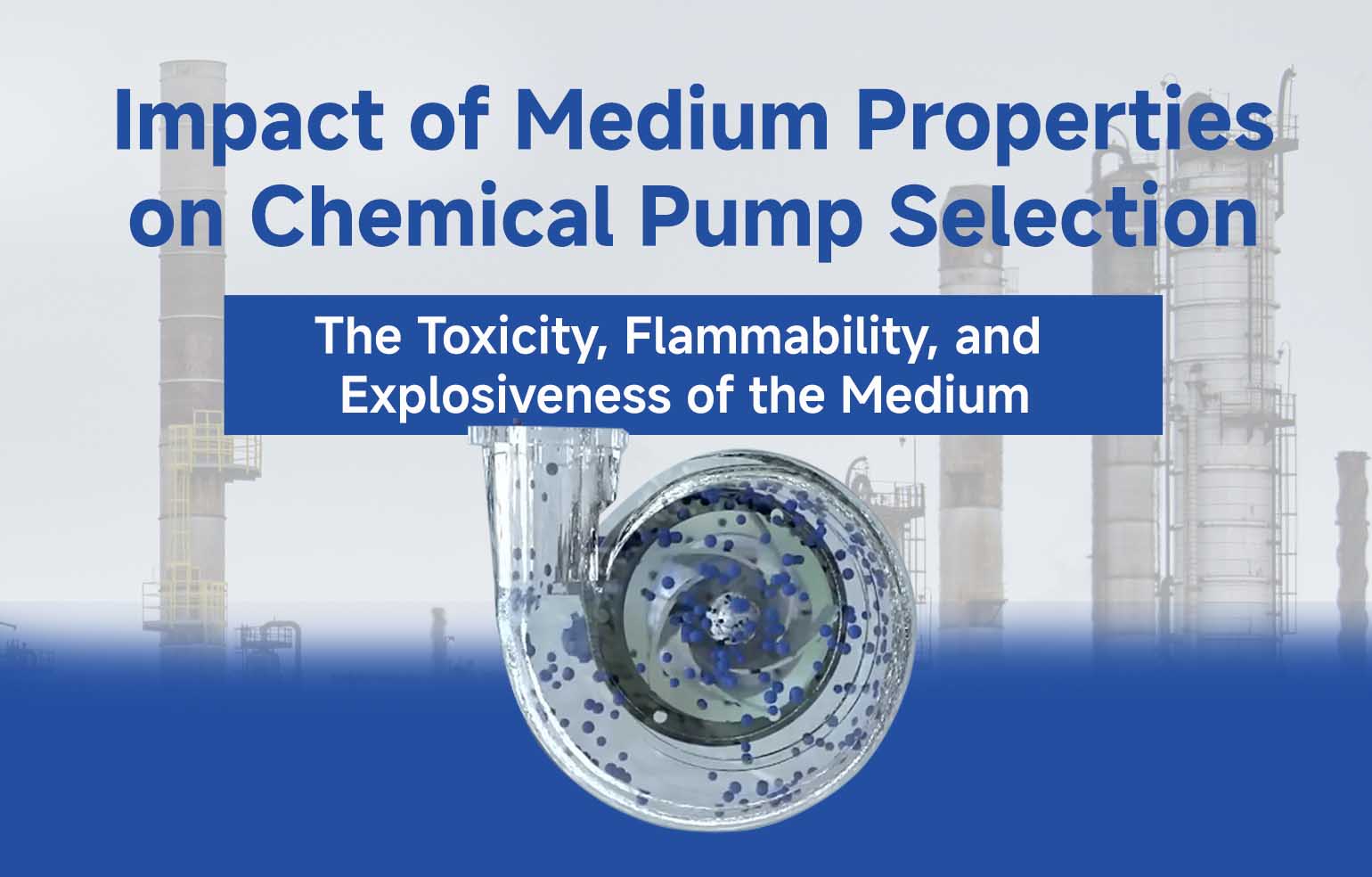
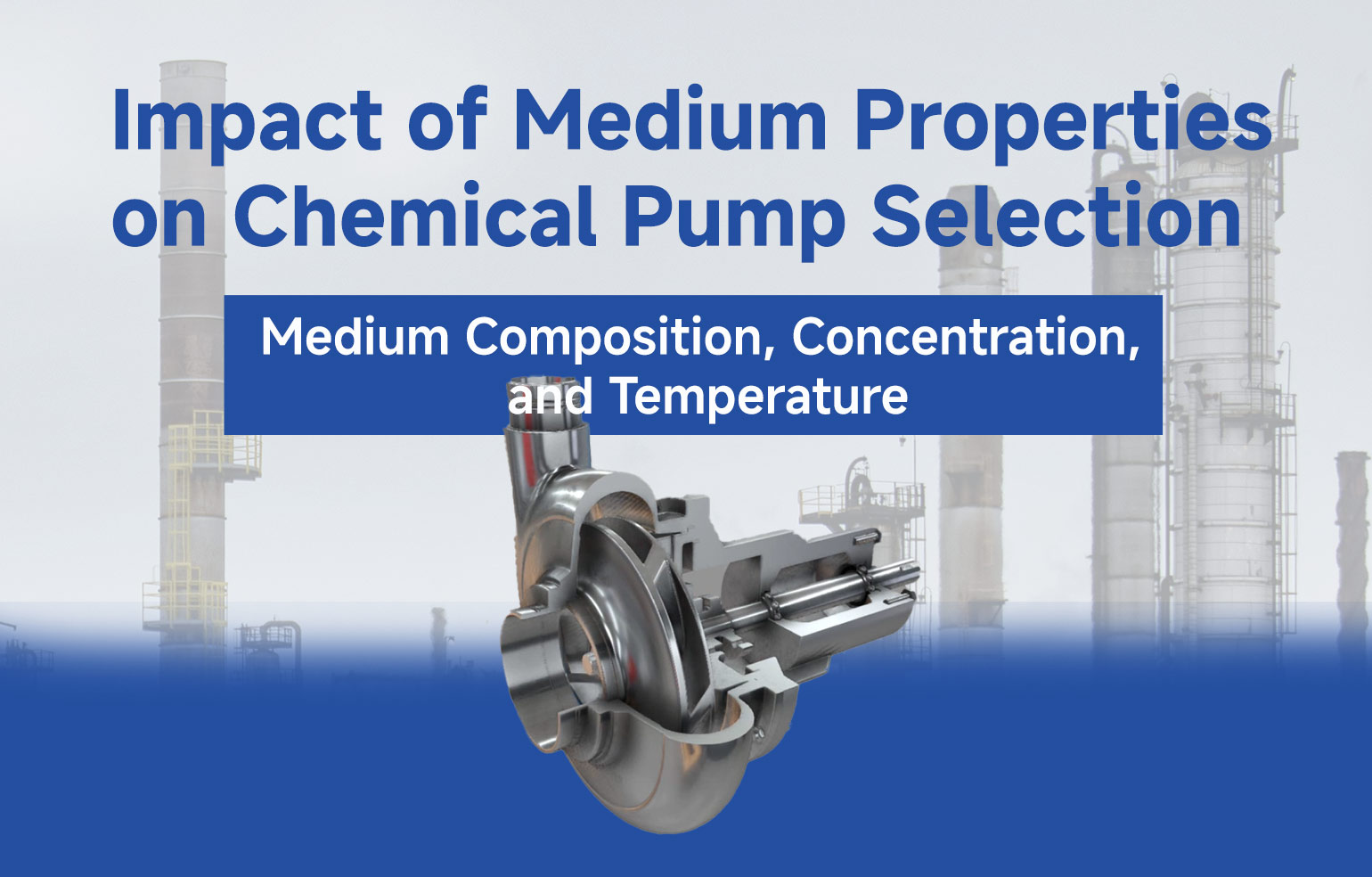
Clearly specify the medium name and composition (e.g., whether it contains corrosive substances), concentration, and toxicity level; whether it contains solid particles, whether it is prone to crystallization, etc.
1.2 Key Physical Parameters
Medium DensityA key parameter for calculating head and shaft power.
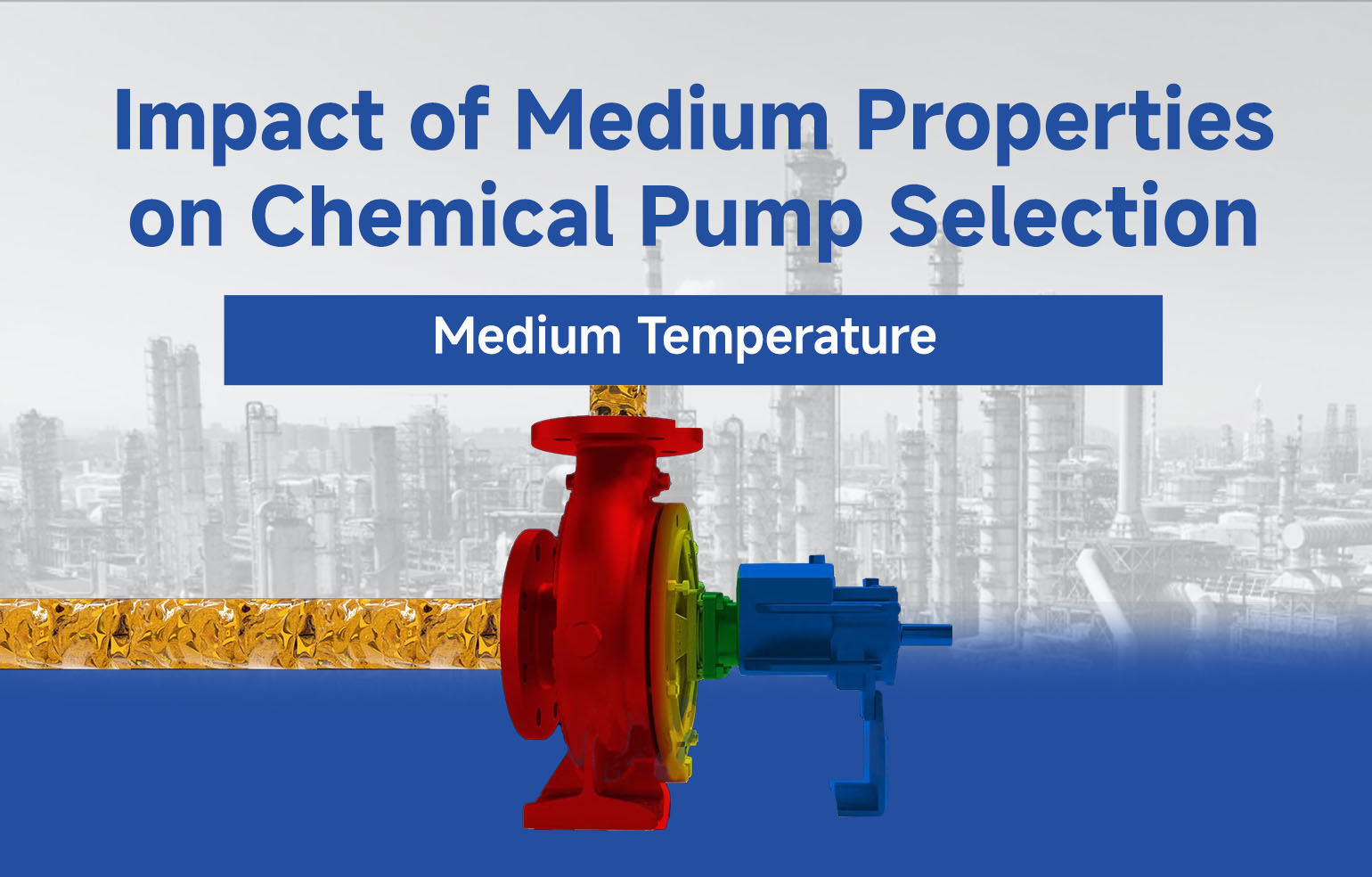
Medium TemperatureDetermine the pump structural configuration (foot-mounted or centerline-supported), seal type (spring seal or bellows seal), as well as the flushing scheme, cooling scheme, pump materials, etc.
Medium ViscosityDetermine the pump configuration (open impeller or closed impeller), the seal type and flushing scheme, as well as the converted water test parameters and the matched motor power (pump performance correction is required when the viscosity exceeds 20 mm²/s).
1.3 Chemical Compatibility
Evaluate fluid corrosiveness (acid/alkali concentration, chloride content, etc.) to select appropriate materials:
Confirm the corrosiveness of the medium (such as acid/alkali concentration and chloride ion content) to select suitable materials for key components including the pump casing, impeller, and shaft (e.g., for strong corrosion, Hastelloy, duplex stainless steel, or titanium alloys may be used; for mild corrosion, 304/316 stainless steel; and for non-corrosive media, carbon steel).
2. Lock in Process Parameters
Process parameters are the foundation of pump selection. They must reflect actual operating conditions and fluctuations to prevent inefficient operation or premature damage.
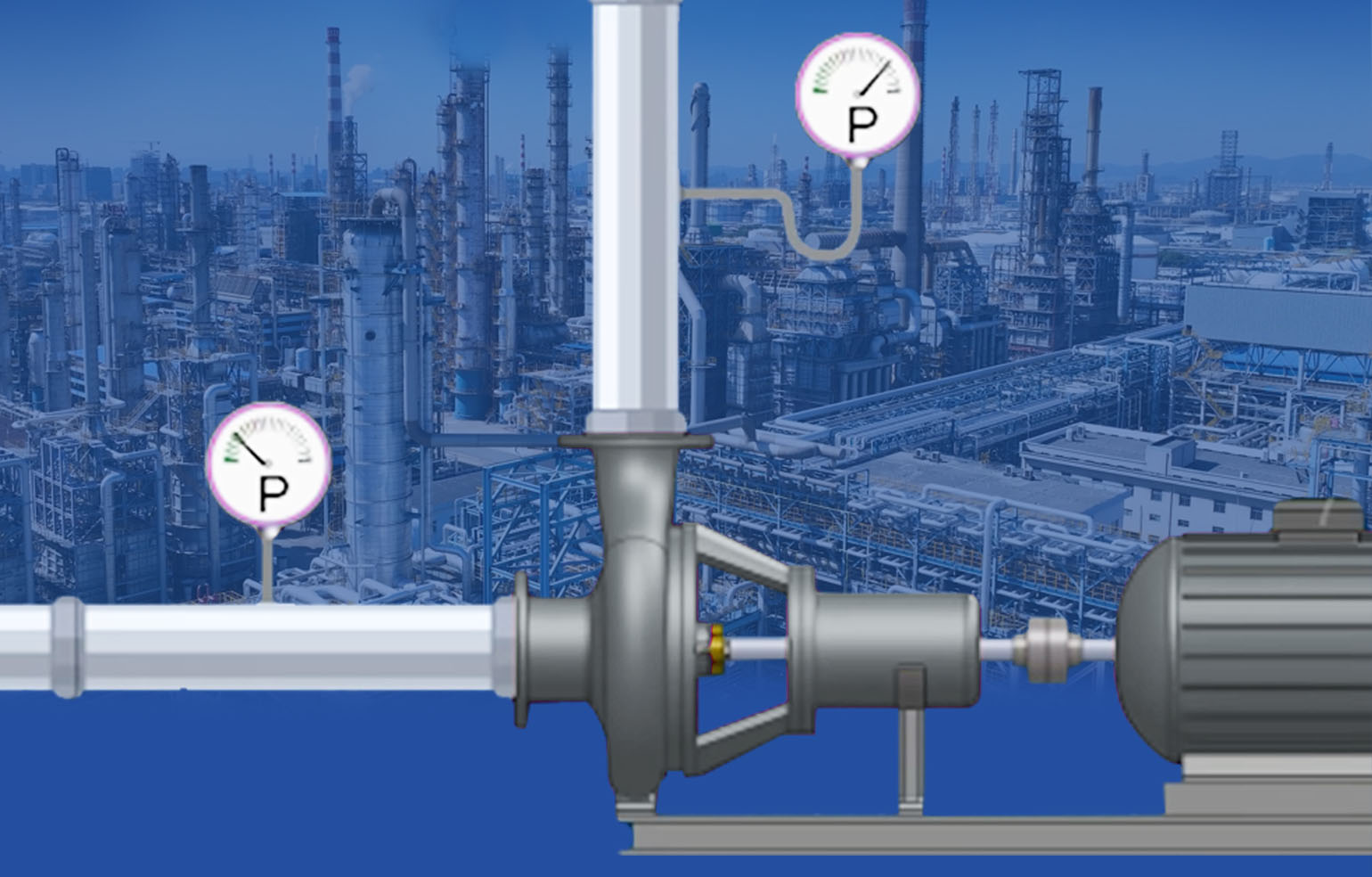
2.1 Inlet & Outlet Pressure
Determines:
Pump type
Seal structure
Material selection (pressure rating of casing and sealing system)
2.2 Flow Rate & Head
Determine the pump series and model specification.
2.3 Net Positive Suction Head Available (NPSHa)
NPSHa is the net positive suction head (NPSH) determined by the pump system (based on the liquid at rated flow rate and normal pumping temperature), also known as the system NPSH or effective NPSH.It is especially critical for volatile or vaporizing fluids.
NPSHa affects decisions such as:
Horizontal pump vs. vertical can pump
2-pole vs. 4-pole motor speed
Whether an inducer is required
To avoid cavitation:
To prevent cavitation in the selected pump, the condition NPSHa > NPSHr must be satisfied; standards typically require a minimum safety margin of at least 0.6 m.
3. Configuration Selection
3.1 Performance Curve Selection
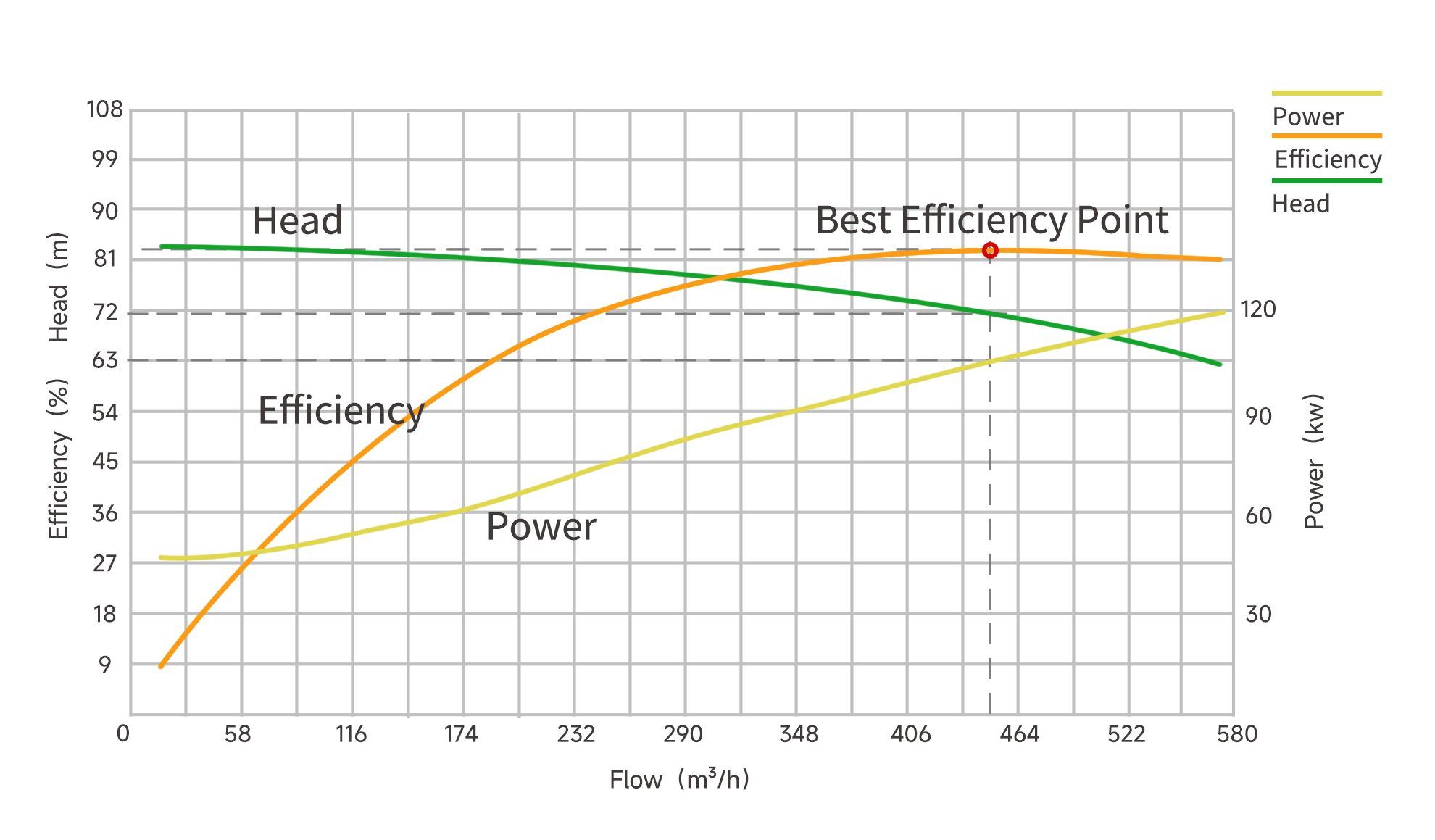
Rated flow should be close to the Best Efficiency Point (BEP)(API 610 recommends operating within 80–110% of BEP flow)
Avoid operating on the right side of BEP, where:
NPSHr rises rapidly
Cavitation risk increases
Efficiency drops
Motor overload may occur
3.2 Pump Type, Material s & Sealing
Select pump type based on flow, head, and fluid characteristics
Match materials for key components (impeller, shaft, wear rings)
Choose appropriate seal flushing and cooling plans according to the medium
3.3 Motor Selection
Motor selection should be based on the shaft power, taking into account a safety factor, operating conditions, and environmental factors, to avoid motor overload or energy inefficiency:
Consider:
Explosion-proof rating
Insulation class
Temperature rise limits
Environmental conditions:
Outdoor (W), High altitude (G), Anti-corrosion (F1/F2),Offshore (H), Tropical (T), Humid tropical (TH), Dry tropical (TA)
Special motor requirements:
Variable frequency motors
Dust explosion-proof motors
Energy efficiency class compliance
3.4 Instrumentation Options
Depending on operating conditions and customer requirements, select:
Vibration monitoring
Temperature sensors
Pressure gauges
Level instruments
These enable local and remote monitoring of pump unit operation.
Conclusion
Chemical pump selection is a systematic engineering process that must balance:
Fluid compatibility
Process suitability
Operational efficiency
Safety and reliability
Only by accurately controlling every parameter and matching every detail can pumps operate stably, efficiently, and cost-effectively in industrial applications.