


How Medium Properties (Toxicity, Flammability, and Explosiveness) Influence Chemical Pump Selection
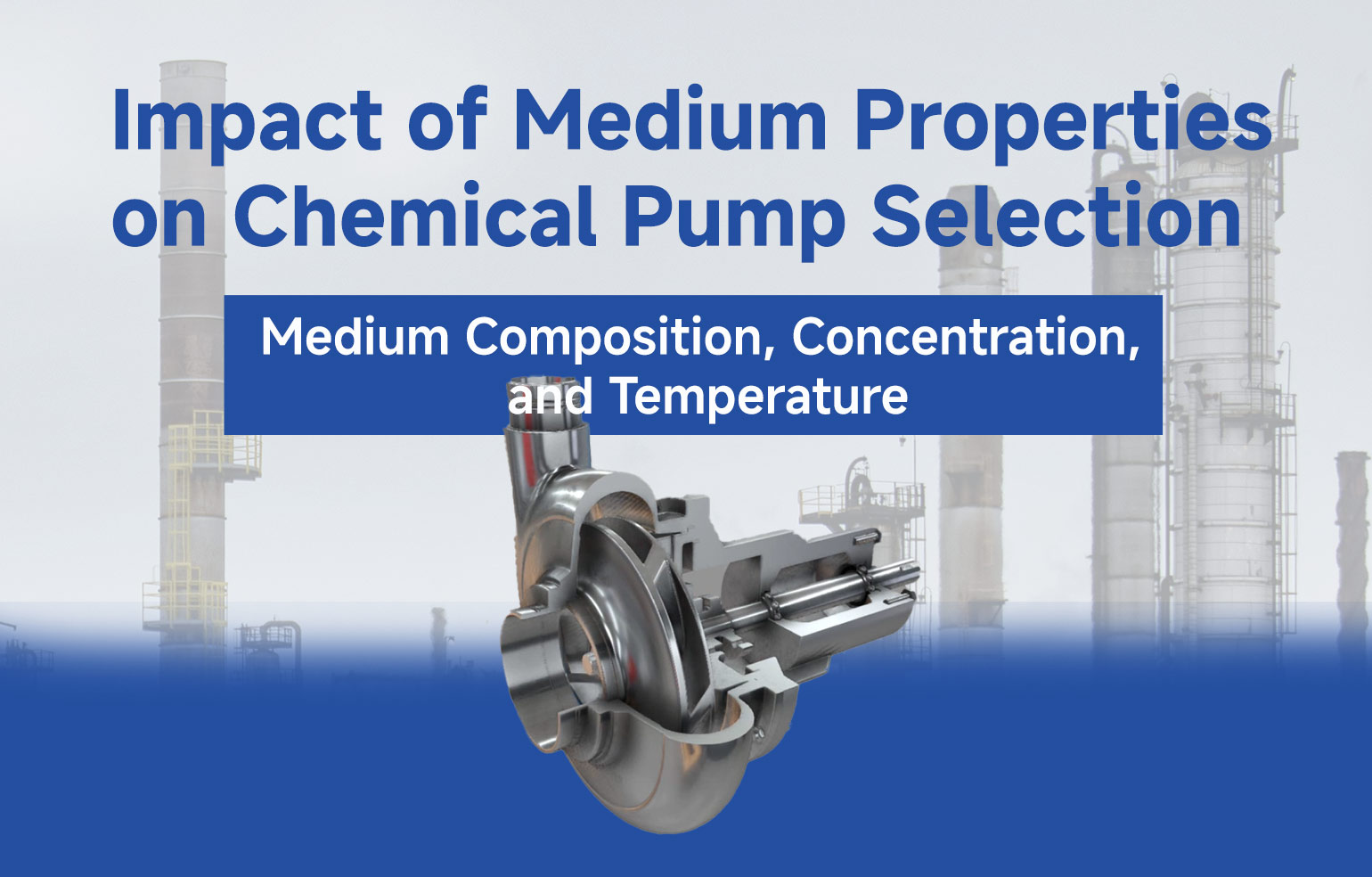
Impact of Medium Properties on Chemical Pump Selection-The toxicity, flammability, and explosiveness of the medium
The toxicity, flammability, and explosiveness of your medium directly determine the sealing solution and flushing plan.
Get it wrong — and it’s not a minor leak. It’s an accident waiting to happen.
Highly Toxic & Hazardous Media
Typical media
Liquid chlorine, acrylonitrile, benzene
Recommended solution
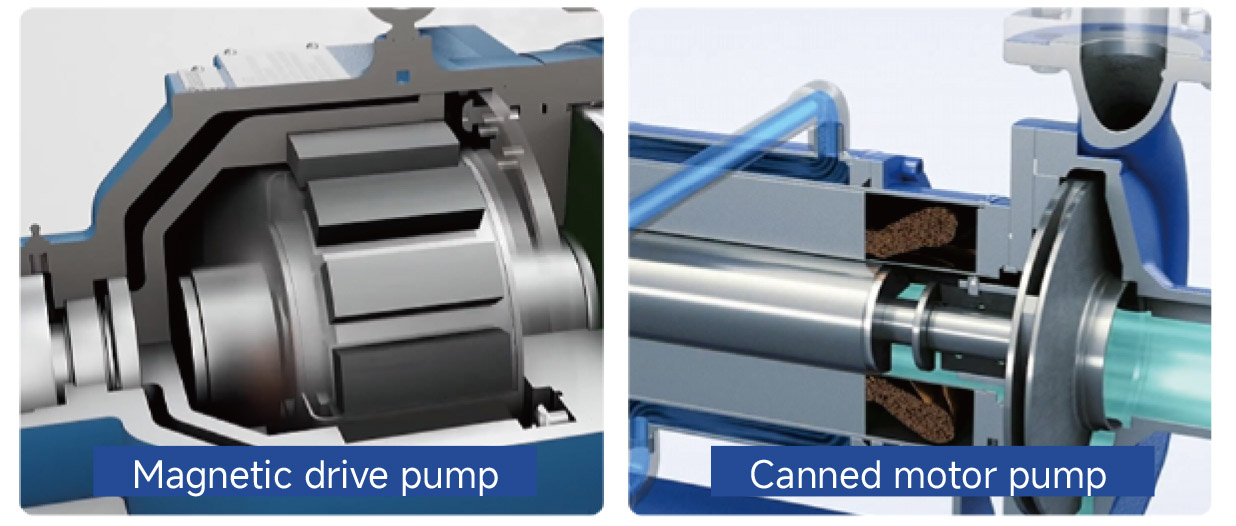
Advantages
Fully enclosed structure
No dynamic seal
Theoretical zero leakage
Disadvantages
Higher initial cost
Complex maintenance
Flammable & Explosive Media
Typical media
Hydrocarbons, methanol, toluene, H₂S-containing fluids
Industry standard solution
Double mechanical seal+flushing system
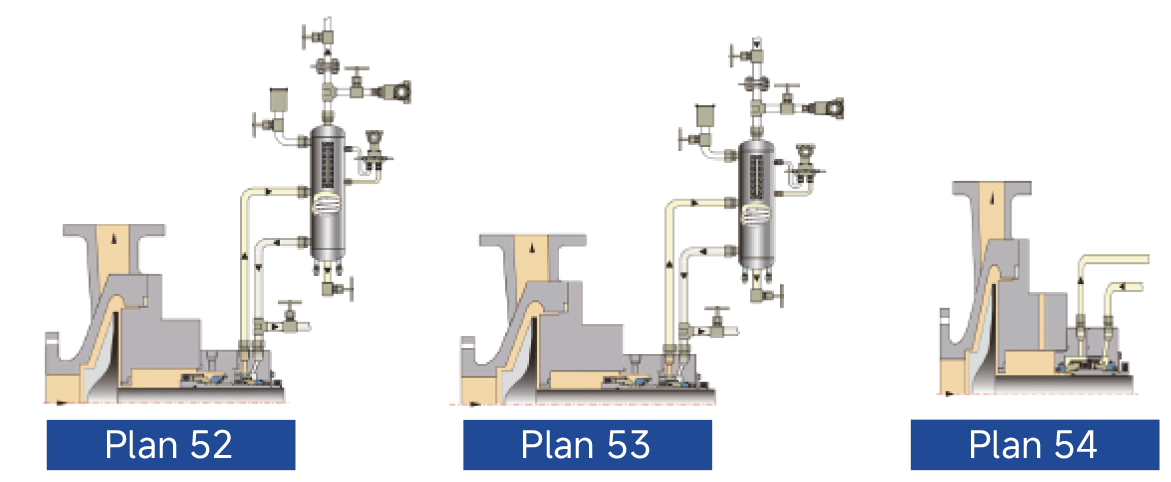
Plan 52 ,53A / B → buffer/barrier fluid system,controlled leakage,online monitoring & alarm.
Plan 54 → external clean fluid supply, high operational safety.
Gas Media
Flammable & Explosive Media
Ethylene, natural gas
Recommended solution
Dry gas seal
Advantages
Near-zero leakage
Low friction
Long service life
Disadvantages
Stable gas supply system
Higher system complexity
Low-Risk Media
Applicable only when
Non-toxic
Non-flammable
Low hazard level
Recommended solution
Single mechanical seal
Cost-effective, but NOT suitable for hazardous conditions
Seal Configuration and Flushing System Selection Table Based on Medium Toxicity, Flammability, and Explosiveness
| Type | Structure | Applicable | Advantages | Disadvantages | |
| Leak-free pump | Magnetic drive pump | Magnetic coupling drive, isolation sleeve completely sealed, no dynamic seals, intrinsically safe. | Liquid chlorine, hydrogen cyanide, phosgene, aniline,acrylonitrile, mercury, and highly corrosive media. | Zero leakage, explosion-proof, and environmentally friendly. | High cost, prone to dry running, and complex maintenance. |
Canned motor pump | The motor rotor and impeller are coaxial, with a totally enclosed structure and no dynamic seals. | Liquefied petroleum gas (LPG), vinyl chloride, benzene, and toxic volatile media. | Zero leakage, low noise, suitable for clean media. | High cost, difficult maintenance. | |
| Double mechanical seal | Plan52, Plan 53A/ | Low-pressure buffer liquid/pressurized isolation liquid circulation, with internal leakage but no external leakage. | Moderately / highly hazardous, flammable, explosive, volatile, and highly corrosive media (such as hydrogen sulfide, methanol, toluene, sulfuric acid, caustic soda). | Double protection, leak controllable, and online monitoring available. | Requires a complementary buffer/isolation iquid system. |
| Plan 54 | Externally supplied clean isolation liquid, suitable for high temperatures, prone to crystallization. | ||||
| Dry gas seal | Nitrogen gas used as sealing gas, non-contact, low friction, and long service life. | Liquefied petroleum gas (LPG), ethylene, propylene, easily vaporized toxic gases, and flare gas system. | Zero leakage, high-temperature resistant, suitable for high speed. | Requires nitrogen gas source, high cost. | |
| Single mechanical seal | Single seal face, no external barrier fluid. | Mildly hazardous, non-toxic, non-flammable, and non-volatile (such as dilute acids, dilute alkalis, and general wastewater). | Low cost, simple structure, and easy maintenance. | Strictly prohibited for use with extremely / highly hazardous media, leakage directly into the environment. | |
-
-
-
-
 2025-12-23
 -

Free Technical Consultation
Visit Our Factory to Witness Micron-Level Manufacturing






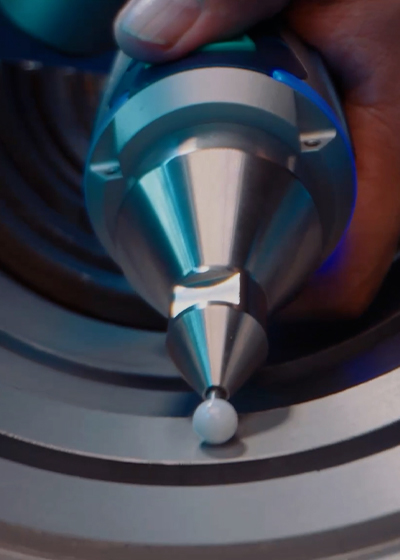
Schedule a Visit to Volm Factory
Witness micron-level processing centers and ISO 9906 Class-1 testing center up close
Customize for You
Help customers save 30% costs on average
Reduce failure rates by 40% on average